The Breed Standard is something you’ll hear mentioned a lot in the dog world. Sometimes it’s talked about with a lot of reverence, sometimes brushed off as something that only matters in the show ring. The truth sits somewhere in the middle — and for anyone who cares about the future of the Miniature Bull Terrier, it’s worth understanding what the Breed Standard actually is, and why it matters.
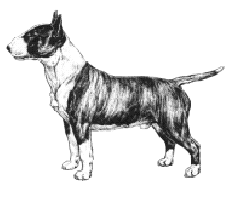
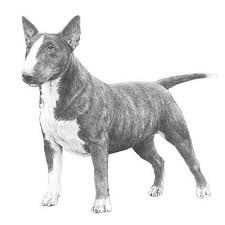
At its simplest, the Breed Standard is a written description of the ideal Miniature Bull Terrier. It explains what the breed should look like, how it should move, and the temperament it should have. It isn’t about creating identical dogs or chasing perfection. Instead, it’s a guide — a shared reference point that helps breeders, judges, and owners understand what makes a Miniature Bull Terrier true to type.
A Bit of History — Where It All Started
Breed standards didn’t just appear out of nowhere. In the 1800s, as people began intentionally breeding dogs for specific jobs and roles, breeders started to notice patterns: certain dogs were better at hunting, others excelled at herding, guarding, or vermin control. Describing what made those dogs effective and consistent became important. Over time, groups of enthusiasts got together to discuss and define what made their dogs distinct — and those early written descriptions were the seeds of today’s modern standards.
When kennel clubs like The Kennel Club in England were formed in the late 19th century, they took on the role of organising these descriptions and creating official standards. These documented guidelines helped ensure that dogs bred over generations continued to reflect the traits that made them valuable — whether that was physical ability, temperament, or both.
For breeds like the Bull Terrier and Miniature Bull Terrier, this meant early breeders worked to fix characteristics — from the distinctive head shape to a sound, balanced body — so the breed would stay true to form and purpose as it developed. Over decades, standards have evolved as our understanding of canine health and welfare has deepened, but the central idea remains the same: to define what is normal, healthy, and typical for the breed.
Why the Breed Standard Matters Today
If we strip away the show ring glitter, the Breed Standard still matters — a lot. Here’s why:
Common Language for Breeders
It gives breeders a reference point. When planning litters, it helps them think about strengths, weaknesses, and how to preserve the breed’s core qualities.Helps Maintain Breed Identity
A standard keeps a breed recognisable across years and continents. Without it, dogs that once shared certain traits could drift into very different forms with each generation.Supports Responsible Decision-making
For prospective owners, understanding a standard helps you know what a breed should be like — physically and temperamentally. That makes it easier to choose a dog that matches your lifestyle.
Not Just for Judges
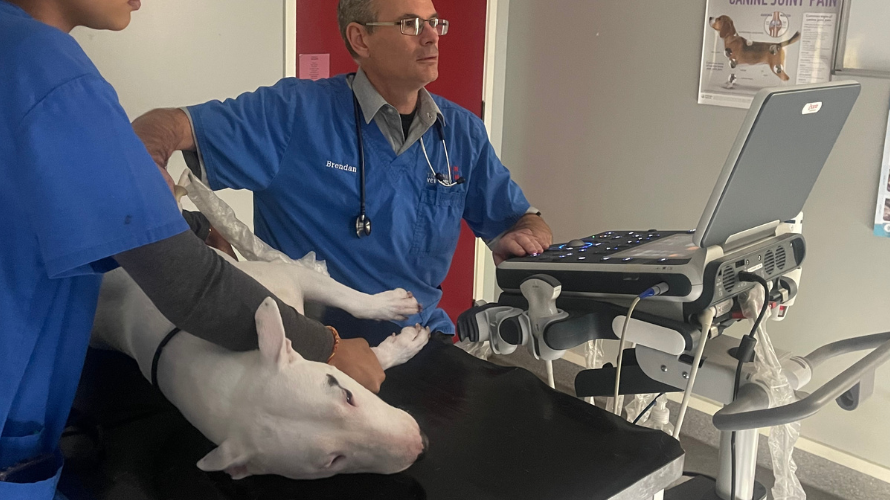
Yes, judges refer to breed standards in the show ring — but the standard’s influence goes far beyond competition. It’s a blueprint, not a fashion guide. When breeders work with health, temperament, and structure in mind, they’re using the standard to protect the dog’s welfare and future potential, not just to chase ribbons. Good standards encourage moderation, balance and sound movement — and when clubs review and update standards, they increasingly do so with health and welfare as key considerations.
Breed Standards Are a Tool — Not a Rulebook
No dog is perfect — and that’s okay! The goal isn’t perfection, but direction: a way to make thoughtful, informed choices about breeding and caring for Miniature Bull Terriers. Understanding where the standard came from, and what it really means, helps all of us — breeders and owners alike — keep this wonderful breed healthy, balanced and true to type for generations to come.